Tuesday, October 2, 2012

Safeguarding Adolescent Sexual and Reoproductive Health

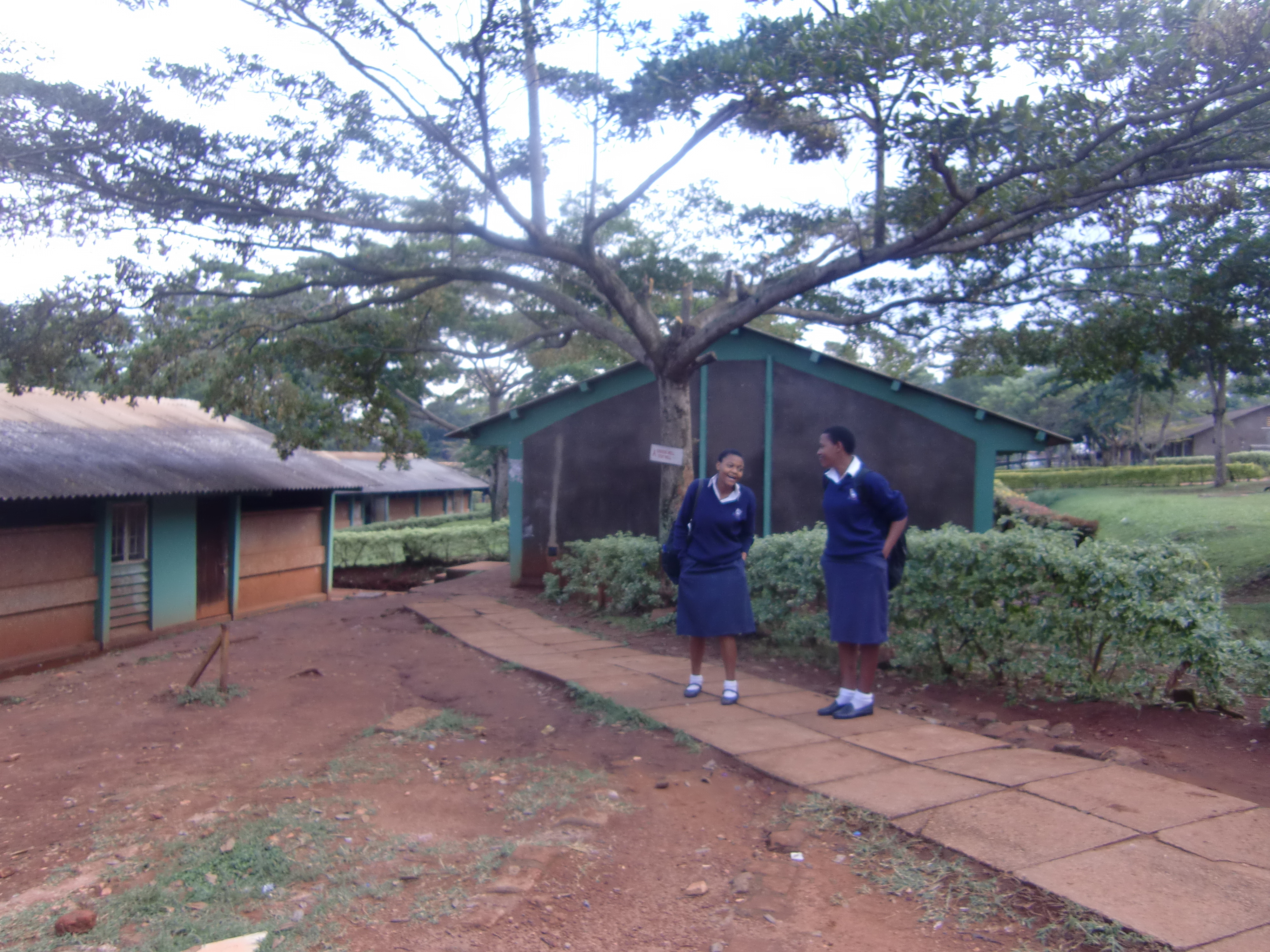
ImageAdolescence is a period of transition from childhood to adulthood that happens between the ages of 10-19 years. This is the stage when most young people begin to explore their sexuality and have intimate relationships. Engaging in sexual activities at this stage is risky as it exposes adolescents to early pregnancies, unsafe abortions, sexually transmitted infections, and sexual violence.
It has been reported that problems associated with pregnancy are a leading cause of death among the adolescents. In addition, sexual coercion is a widespread phenomenon as evidenced by the fact that in some countries between 20% and 48% of young women aged 10-25 years have been forced to have sex.
Most young people cannot protect themselves since they lack information on where to go for adolescent sexual reproductive health care, and the majority are not empowered enough to negotiate for safe sex with their partners. In addition, most youth particularly the girls are under pressure to marry and produce children at such an early stage in their life.
What should be done?

Monday, April 23, 2012

Civil Society Leaders Denounce the Continued Police Brutality, Lack of Accountability, professionalism and Impunity in the Security Forces.

Date:               23rd April, 2012
Contact:          Uganda Governance Monitoring Platform (UGMP)
                        info@ngoforum.or.ug
                        +256 414 510 272

Civil Society Leaders Denounce the Continued Police Brutality, Lack of Accountability, professionalism and Impunity in the Security Forces.

“The fact that a crime within the jurisdiction of the Court has been committed by a person pursuant to an order of a Government or of a superior, whether military or civilian, shall not relieve that person of criminal responsibility unless: (a) The person was under a legal obligation to obey orders of the Government or the superior in question; (b) The person did not know that the order was unlawful; and(c) The order was not manifestly unlawful.  2. For the purposes of this article, orders to commit genocide or crimes against humanity are manifestly unlawful.” – Article 33 of the 1998 Rome Statute of the International Criminal Court
We the leaders of civil society in Uganda strongly condemn the increasing use of barbaric and uncivil methods by security agencies while claiming to manage public order. The most recent of these incidents was the brutal and insensitive fondling of FDC women league chairperson, Ingrid Turinawe’s breasts on Friday 20th April 2012. This particular incident is one of many attempts by the police to publically harm and humiliate the same citizens who they have a constitutional mandate to protect and safeguard. We note that this incident occurs in the context of an increasingly militarized police force whose viciousness has been questioned by the public but condoned by the state. Such incidents inevitably depict a rapidly deteriorating governance order.

This shameless display of state brutality and use of sexual assault and molestation was perceivably meant to intimidate and threaten Ugandans of good will who might attempt to blow the whistle on the excesses of the state. Such brutal acts by a public security agency denote a state thoughtless of dignity and sanctity of human life

Monday, April 16, 2012

Youth take action for Sustainable Development: Our Future is worth it.


Sustainable development has emerged as one of the most prominent development paradigms over the last four decades. It aims at providing a holistic approach, enveloping several dimensions such as economic, environmental, social and participatory development into a single framework. Over the years, we have seen a growing institutionalization of sustainable development on the international level. In 2009, the UN General Assembly (UNGA) decided “to organize, in 2012, the United Nations Conference on Sustainable Development at the highest possible level, including Heads of State and Government or other representatives”

In June this year, world leaders will convene in Rio de Janeiro, Brazil, for the United Nations Conference on Sustainable Development, called Rio+20. The Conference is aimed at Spurring actions that will help people and countries move toward a greener economy that will promote more jobs, greater prosperity, less poverty, and ensure that we all live in decent and safe communities and in addition to improving the way we manage the challenges of sustainable development.

World leaders will also consider